Last updated: 24 October 2026
This guide covers advantages of living in a gated community and what to check before you decide.
Gated community living changes everyday routines: who enters, where children play, what you share and what you pay for. This guide covers seven things that change day to day and the trade-offs that come with each, so you can decide whether it suits you. To compare it with a standalone tower, see Gated Community or Standalone Tower?.
1. Layered security: advantages of living in a gated community
Controlled gates, visitor management, CCTV and patrolling are common. Quality varies by project, so ask what systems and staff are in place and how visitors and deliveries are handled. Trade-off: visitors and delivery staff may face checks and wait time.
2. Privacy without isolation
Restricted entry means fewer strangers inside the compound. You still share lifts, lobbies and common spaces with neighbours.
3. Green and open space
Many communities have landscaped areas, walking paths and play spaces. Check what is actually landscaped today, since some areas are delivered in phases.
4. Community
Clubhouses, events and resident groups make it easier to know neighbours. How active this is depends on the residents and the association, not the design.
5. Traffic and noise
Vehicle movement inside is usually limited to residents and approved visitors. Events and amenity areas can create noise, so check where they sit relative to your home.
6. Services and infrastructure
Communities often manage water, power backup, waste and sewage treatment. Ask how these are run and who pays.
7. Amenities on site
A pool, gym, play areas and halls save travel time, but you pay for them through maintenance whether you use them or not. See our amenities guide.
Rules and costs to expect
- A residents’ association, with bylaws on pets, renovations, parking and events.
- A monthly maintenance charge and a corpus fund. Ask what they cover.
- Rules for guests, vehicles and deliveries.
See our guide to pet rules in gated communities.
What to Check Before You Buy in a Gated Community
| Check | What to ask |
| Maintenance | Who maintains common areas, and what is the monthly charge? |
| Amenities | Which amenities are built and open today, and which are planned? |
| Approvals | Which approvals and RERA registration apply to this community? |
| Rules | What are the rules on pets, guests, vehicles and renovations? |
| Corpus or deposit | Is a corpus or deposit charged, and how is it held? |
For villas in gated communities, see Gated Community Villas in Hyderabad: What You Pay For and What to Check.
Gated community guides
- The Rise of Gated Communities in Hyderabad
- Gated Community or Standalone Tower?
- Checklist for Buying a Home in a Gated Community
Official sources: Telangana RERA and HMDA.
See also: Gated community rules, safety and resident rights and 5 Major Advantages of Living in Gated Community Apartments in Hyderabad.
See also: What Is an Integrated Township? Hyderabad Homebuyer Guide.
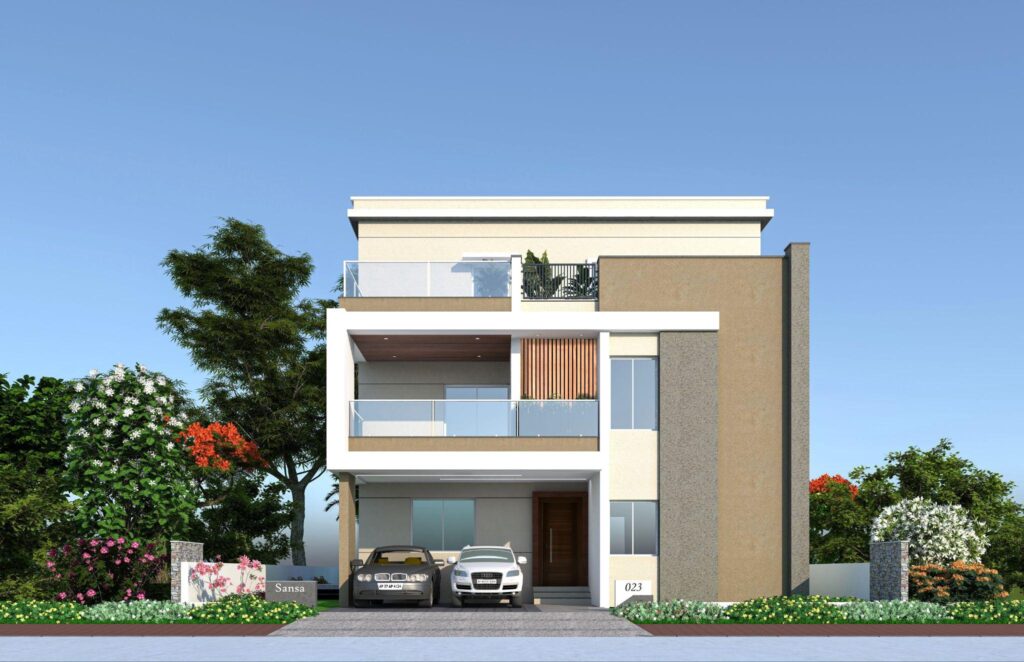
For a project example near Patancheru, see Sansa County, a township under construction; check the current status on the project page.
Frequently Asked Questions
What are the advantages of living in a gated community?
Controlled access, shared amenities, green space and a defined community, balanced by maintenance costs and association rules.
What are the downsides?
Monthly charges, rules on renovations, pets and parking, and checks for visitors.
Is a gated community safer?
Controlled entry and surveillance help, but the quality of the systems and staff varies by project.
What should I ask before I buy?
The maintenance charge and what it covers, the association’s rules, how security and visitors are managed, and which amenities are open today.