Hyderabad’s hidden art scene thrives beyond tourist hotspots in craft villages like Shilparamam and the indie galleries of Banjara Hills. These cultural hubs showcase handwoven textiles, Bidriware, Kalamkari art, and contemporary design through weekend markets, heritage workshops, and slow-living spaces. Discover where traditional craftsmanship meets modern creativity in neighborhoods becoming hotspots for cultural investment.
While the world knows Hyderabad for its iconic Charminar and aromatic biryani, there’s a quieter, more soulful side to this metropolis. Hidden within bustling neighborhoods lies a thriving craft and design culture—one that tells stories through hand-loomed textiles, ancestral metalwork, and contemporary art. Beyond the tourist trails, Hyderabad’s craft villages and artisan hubs reveal the city’s cultural soul, offering authentic experiences that connect the Nizami past with the cosmopolitan present.
Shilparamam: Telangana’s Living Craft Museum
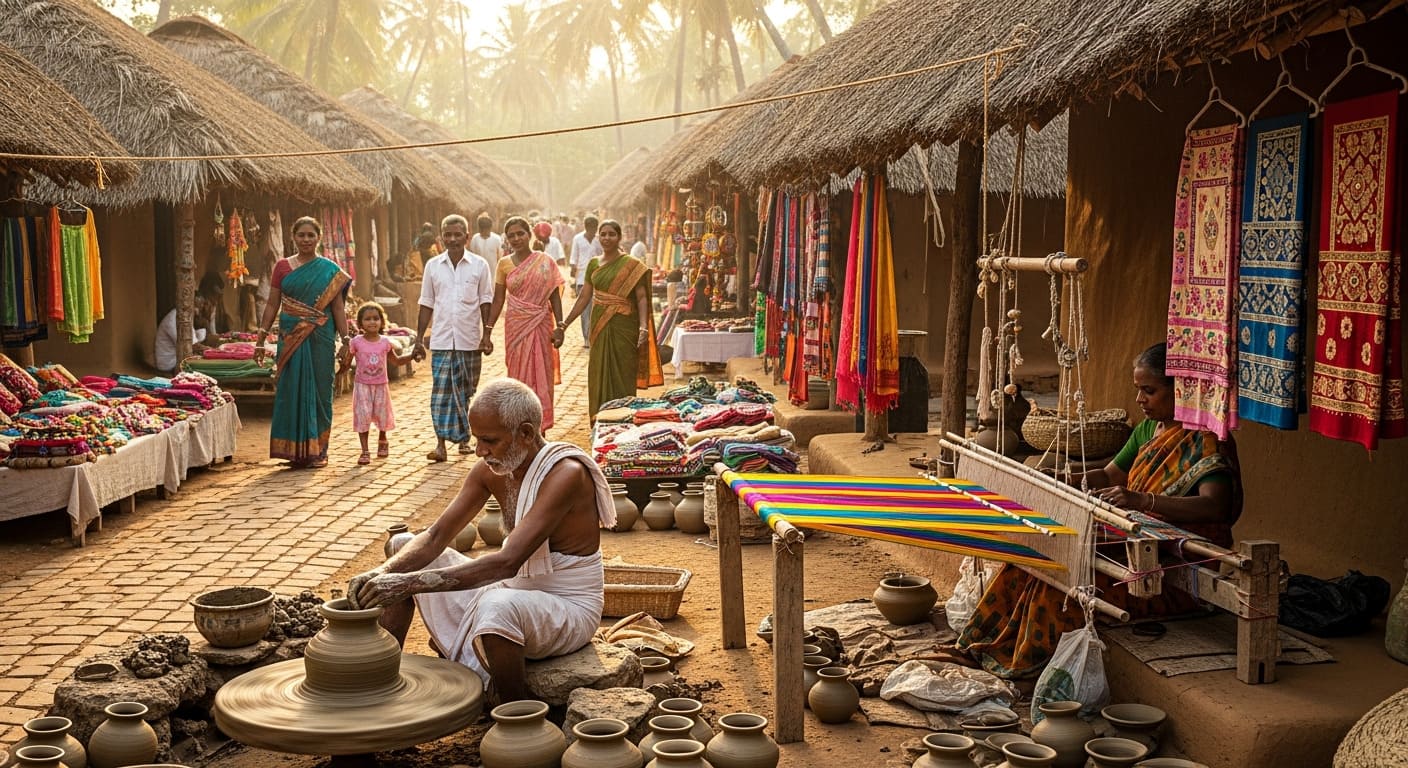
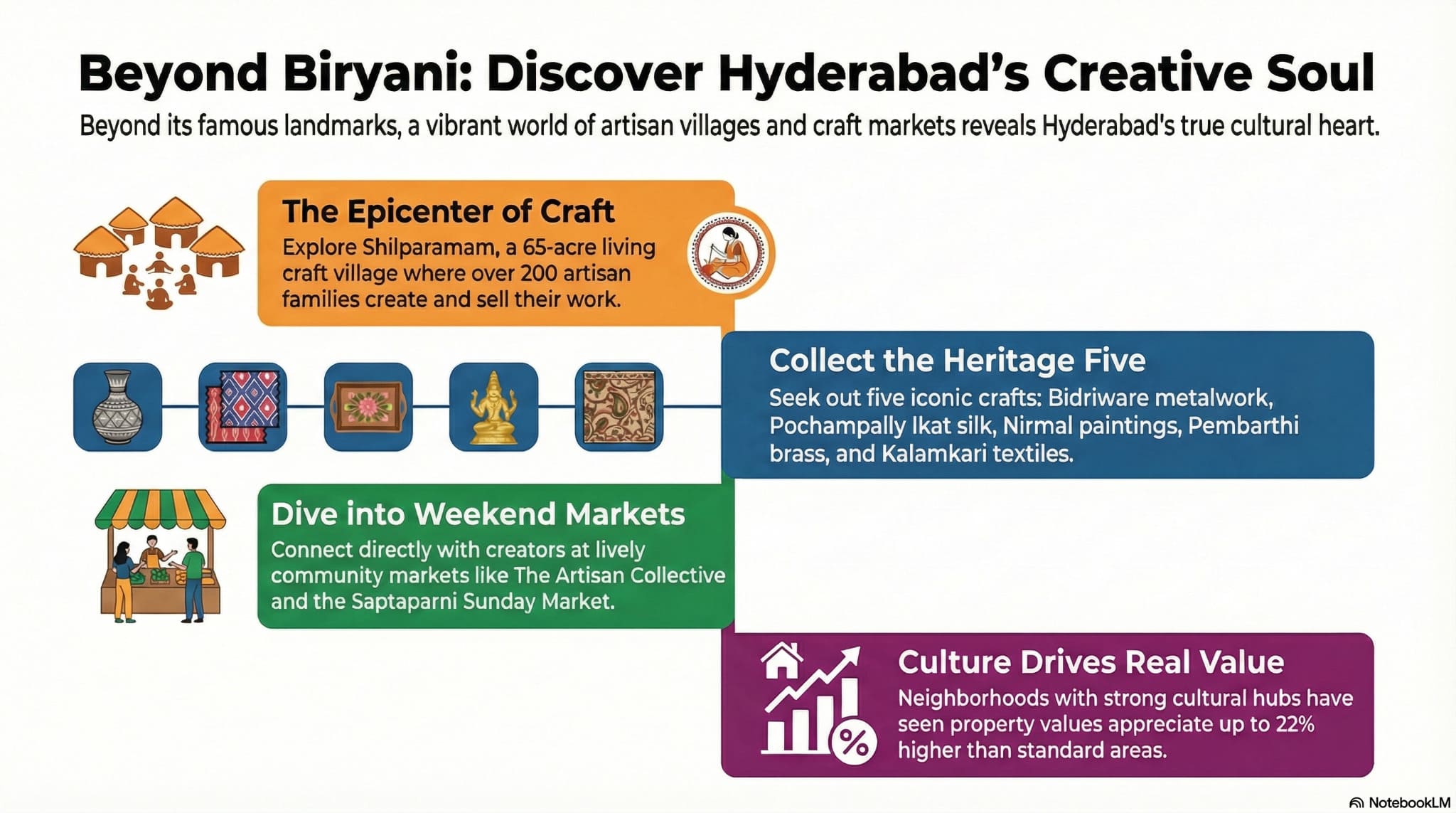
Located in Madhapur, just off the bustling Hitec City corridor, Shilparamam stands as Telangana’s largest crafts and cultural village. Spread across 65 acres, this government-supported initiative showcases traditional crafts, cultural performances, and heritage experiences.
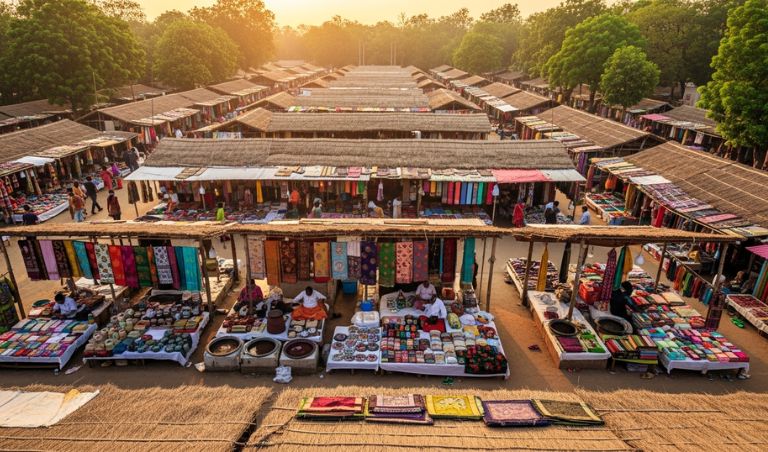
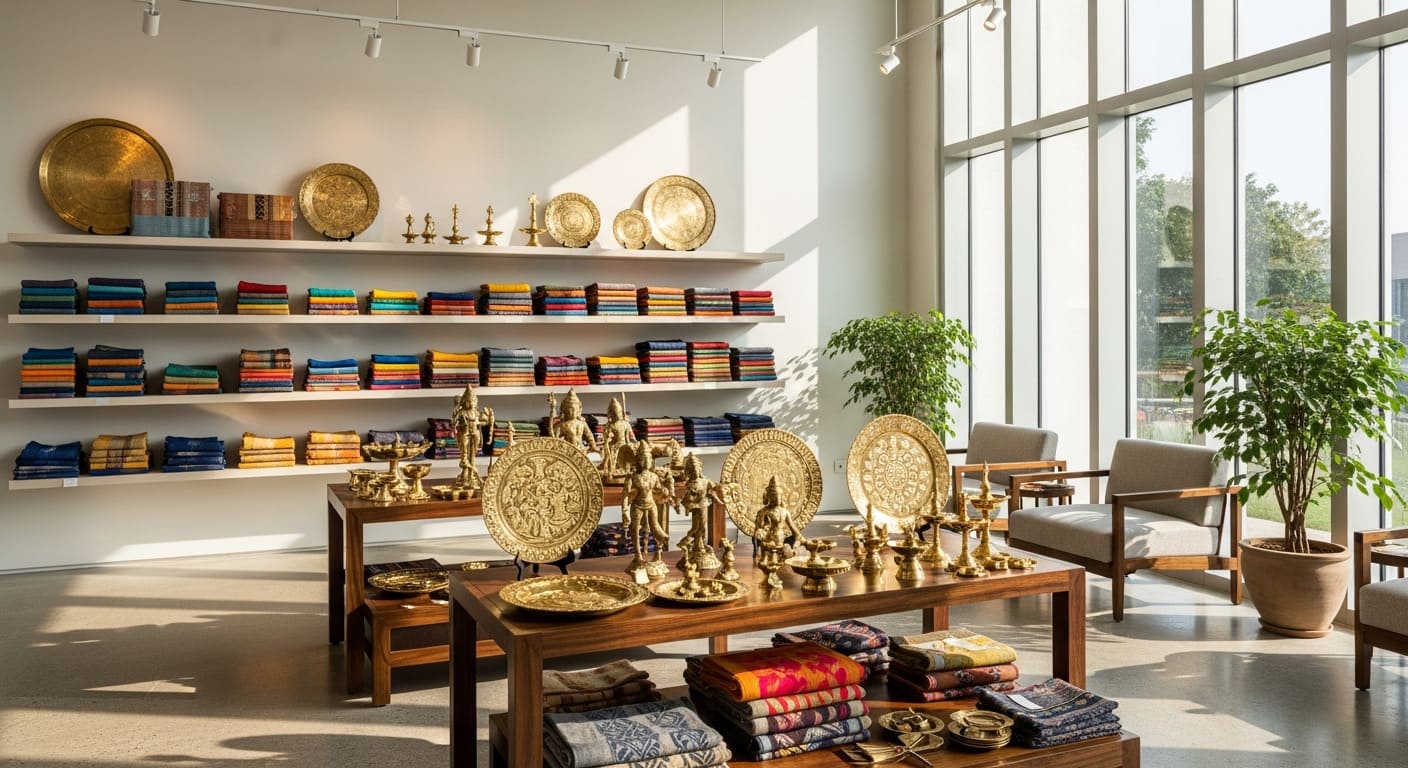
Unlike sanitized museum exhibitions, Shilparamam offers living, breathing cultural immersion. Replica village huts from different Indian states house working artisans demonstrating ancestral crafts—from Pochampally weaving to Bidriware inlay work. Every weekend, over 50 vendors transform the central plaza into a vibrant bazaar showcasing handloom sarees, silver jewelry, pottery, and home décor.
The village features an open-air amphitheater hosting classical dance performances, folk music concerts, and traditional theater. Families particularly appreciate weekend workshops in pottery, painting, and weaving, where children get hands-on experience with traditional crafts.
Visitor Insights:
- Entry: ₹60 (adults), ₹20 (children)
- Best hours: 4-8 PM weekends
- Annual footfall: 12+ lakh visitors
- Peak season: October-February
The beauty of Shilparamam lies in its accessibility—positioned just minutes from major residential areas in West Hyderabad, it transforms cultural exploration from a day-long expedition into a spontaneous weekend activity.
Kondapur’s Quiet Creative Revolution
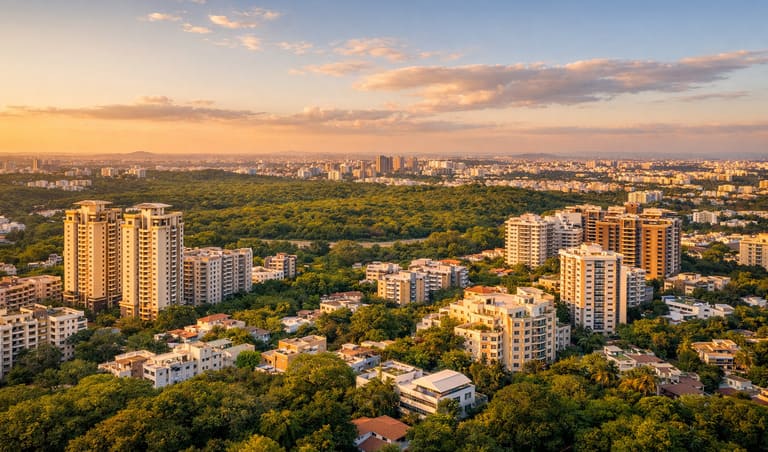
Known largely for its residential high-rises and proximity to Hyderabad’s IT corridor, Kondapur is beginning to reflect a softer cultural shift. Alongside cafés, studios, and lifestyle stores, there is a growing interest in design-led living and conscious consumption among its residents.
This evolving mindset is supported by Hyderabad’s broader creative ecosystem. Established cultural spaces such as Kalakriti Art Gallery in Banjara Hills continue to anchor the city’s contemporary art scene through curated exhibitions and artist-led programming. Traditional crafts like Bidriware, long associated with Hyderabad’s heritage, are also seeing renewed appreciation among modern buyers seeking authenticity over mass production.
Ethical fashion labels, handloom collectives, and curated pop-up markets across the city are further contributing to this renewed focus on locally made, artisanal products. Together, these spaces are shaping a new urban aesthetic—one that blends modern lifestyles with regional craftsmanship.
This cultural awareness is gradually influencing real estate preferences as well. Homebuyers are increasingly drawn to neighbourhoods that offer access to cultural venues, creative communities, and artisanal experiences, alongside everyday convenience. The result is a growing perception of value in areas that support both contemporary living and cultural depth.
The Weekend Circuit: Where Artisans Meet Communities
Beyond permanent venues, Hyderabad’s craft scene thrives through rotating markets creating treasure-hunting excitement and direct artisan engagement.
The Artisan Collective at Peddamma Gudi Grounds brings together handloom clothing, organic products, and artisanal goods in a lively, festival-like setting. Live folk music and food trucks add to the atmosphere, drawing families and young professionals alike.
Lamakaan Market (fortnightly, Banjara Hills) focuses on independent designers, eco-friendly products, and used books. Poetry readings and indie music make visits feel like community gatherings rather than shopping trips.
Saptaparni Sunday Market in Film Nagar blends organic produce with handcrafted goods, creating a relaxed, family-friendly environment. Children’s activities make it especially welcoming for parents looking to spend a mindful weekend together.
Phoenix Marketcity’s Craft Mela showcases a wide range of artisans through immersive demonstrations of weaving, pottery, and metalwork, offering visitors a closer look at traditional techniques in a contemporary setting.
Banjara Hills & Jubilee Hills: The Gallery Circuit
The established affluence of these areas has fostered a sophisticated gallery ecosystem. Kalakriti Art Gallery on Road No. 10 anchors this circuit with monthly solo exhibitions and impressive contemporary Indian artist rosters. Gallery Space focuses on photography and mixed media, offering quarterly “Emerging Artists” showcases priced affordably (₹25,000-2 lakh), making art collecting accessible. State Gallery of Art provides free admission to historical Telangana collections and children’s art education programs.
What’s Worth Collecting: The Heritage Five
Bidriware
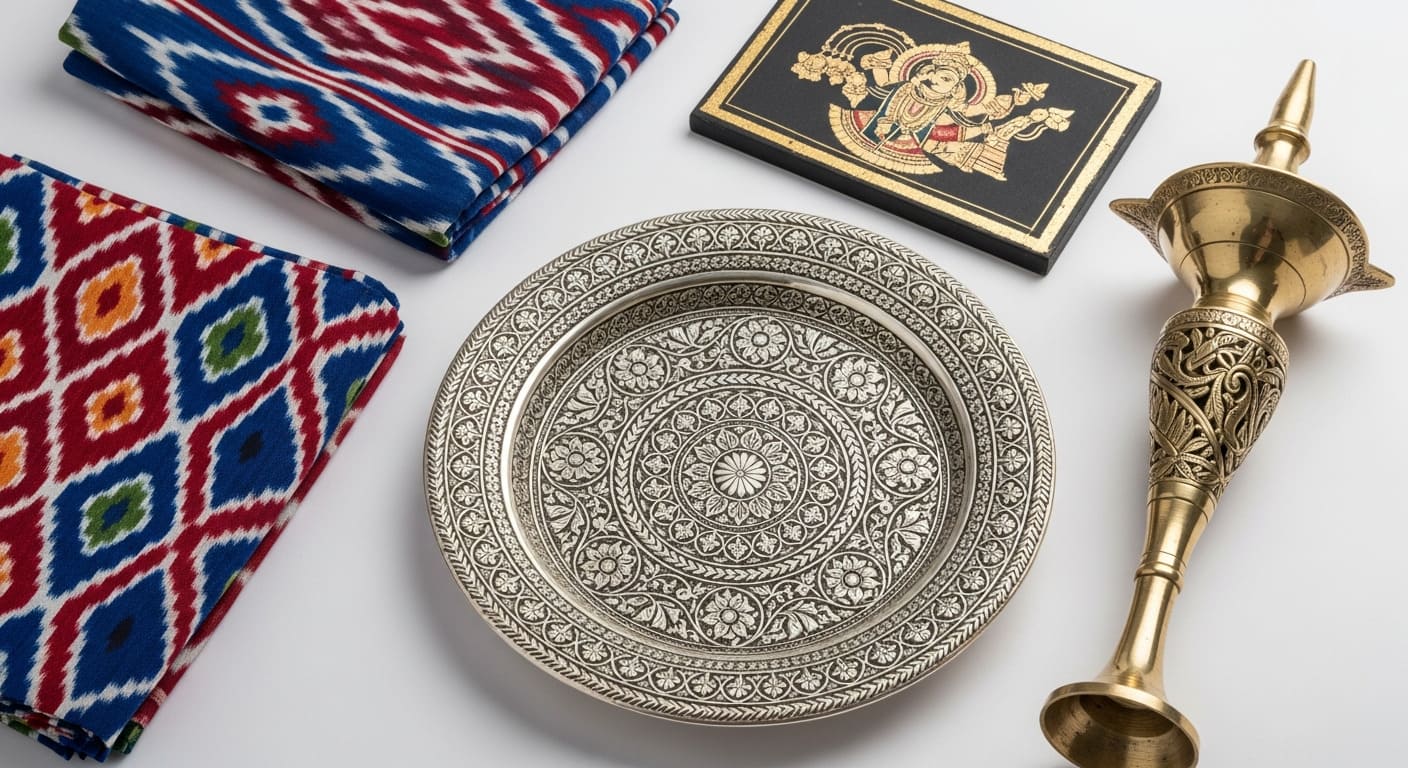
Bidriware is crafted from a zinc–copper alloy, treated to achieve its signature deep black finish and inlaid with fine silver. Common forms include vases, boxes, and decorative plates. Authentic pieces are recognisable by their weight and the precision of their silver inlay.
Pochampally Ikat Silk
Pochampally Ikat is known for its intricate resist-dyeing technique that produces distinctive, softly blurred patterns. The craft holds a Geographical Indication (GI) tag, and buyers are advised to verify authenticity when purchasing silk sarees and textiles.
Nirmal Paintings
Nirmal paintings are created using natural pigments and lacquer on seasoned wood, traditionally depicting mythological narratives and decorative motifs. The technique results in a luminous finish that has remained distinctive to the region for generations.
Pembarthi Brass Craft
Originating from Pembarthi village in Telangana’s Warangal district, this brass craft is characterised by hand-hammered sheet metal work and repoussé techniques. It is widely used for lamps, panels, and religious icons, reflecting a long-standing metalworking tradition.
Kalamkari Textiles
Kalamkari involves hand-painting or block-printing cotton fabric using natural dyes derived from plants and minerals. The process includes multiple stages of treatment and dyeing, resulting in richly detailed wall hangings, furnishings, and garments.
Collector’s Note
Authentic, artisan-made works are valued not only for their craftsmanship and cultural significance but also for their enduring appeal. While appreciation varies by craft, provenance, and artist, such pieces are often collected for their ability to combine heritage value with everyday aesthetic pleasure.
Patancheru: Where Heritage Meets Modern Townships
As Hyderabad’s urban growth extends toward western corridors like Patancheru, a quieter evolution is taking shape—one that reflects the coexistence of traditional livelihoods and modern residential planning. This transition zone continues to retain traces of its rural and cultural roots even as new townships and infrastructure emerge.
Villages in and around the region sustain practices such as handloom weaving, pottery, and agriculture, contributing to a lived cultural landscape rather than a purely urban one. Local temples, agrarian traditions, and craft-based livelihoods remain part of everyday life, offering a contrast to the scale and pace of newer developments.
Select residential developments in peripheral Hyderabad are increasingly exploring ways to acknowledge this context—through community spaces for crafts, curated local markets, cultural programming, and events that encourage interaction between long-time residents and newer communities. These efforts reflect a growing interest in placemaking that values heritage alongside modern living.
The Real Estate Connection: Why Culture Matters
Luxury homebuyers increasingly seek neighborhoods that offer walking access to galleries and artisan shops, regular community cultural events, visible heritage preservation, local artisan employment programs, and vibrant farmer’s markets. Homes in culturally enriched areas often command higher value compared to purely commercial zones, reflecting a growing preference for lifestyle-driven communities over utilitarian developments.
This wasn’t accidental. Resident associations, developers, and municipal planners recognized that purely work-centric environments create soulless neighborhoods with high turnover. Areas actively courting galleries, independent retailers, and cultural programming have transformed into balanced communities where professionals stay long-term.
Areas surrounding these cultural hubs have seen consistent property appreciation. Neighbourhoods near Shilparamam in Madhapur, the gallery circuit in Banjara Hills, and heritage corridors in west Hyderabad regularly outperform purely commercial zones in resale value. Buyers who prioritise lifestyle amenities alongside connectivity tend to see stronger long-term returns.
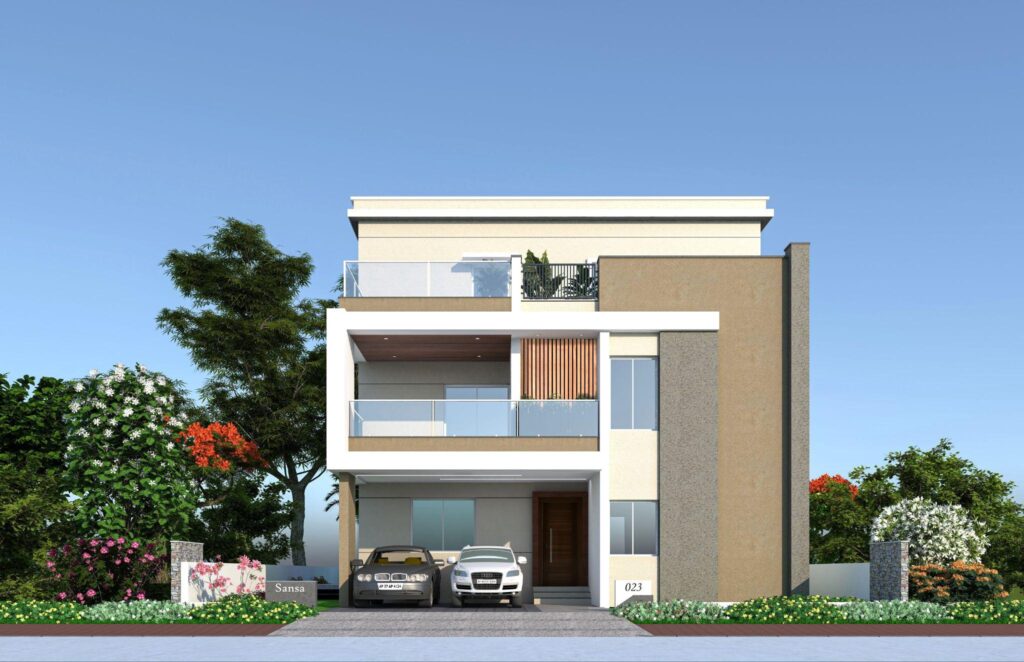
Auro Realty developments in HITEC City, Kondapur, and Patancheru place residents within minutes of these cultural landmarks. If you are evaluating property in Hyderabad where lifestyle and investment converge, explore Auro Realty’s residential projects for options in these culturally rich corridors.
Supporting Artisans: Conscious Purchasing Practices
Many traditional crafts are one generation from extinction as young people abandon low-paying artisan work. Conscious purchasing ensures heritage survival.
Buy Direct – Purchase from artisans or government cooperatives (Co-optex, Lepakshi, Shilparamam) eliminating middlemen taking 40-60% margins.
Commission Custom Work – Provides sustained income, allows full skill demonstration, creates unique pieces. Most artisans welcome commissions for Bidriware, Nirmal paintings, and Kalamkari.
Verify Authenticity – Look for GI tags certifying traditional origin. Ask about artisan name, village, and techniques. Avoid mass-produced “artisan-style” imitations.
Share Stories – Social media exposure helps small-scale artisans reach wider markets. Reviews build credibility for authentic craftspeople.
Support Training – Some cooperatives offer apprenticeship sponsorships. NGOs like Dastkar train youth in traditional crafts.
Discovering Hyderabad’s Creative Soul
Hyderabad’s hidden art hubs represent living threads connecting the city’s Nizami past with its tech-driven future. These craft villages, artisan markets, indie galleries, and cultural spaces offer authentic connections to place, history, and community.
For residents and prospective homebuyers exploring plots, these cultural corridors transform daily life from routine to enriched experience. Weekend mornings at Shilparamam, impromptu gallery visits in Banjara Hills, monthly artisan market explorations—these activities create texture that makes neighborhoods feel like home rather than just residential addresses.
As Hyderabad expands rapidly, neighborhoods preserving and celebrating local craft heritage while integrating them into modern urban fabric will emerge as most desirable. They offer what no amenity list quantifies—culturally-rooted belonging, connection to larger stories, and daily reminders that progress need not erase the past.
The next time you explore Hyderabad, venture beyond Charminar and biryani tours. Discover the city’s creative soul in lesser-known art districts, where every handwoven textile tells a story, every Bidriware piece preserves ancestral knowledge, and every artisan market sustains centuries-old traditions. This is Hyderabad’s quiet revolution—happening in neighborhoods worth calling home.
Related Reading
- Hyderabad’s Food Neighbourhoods
- How Hyderabad’s Bazaars Shape Real Estate
- Kondapur Neighbourhood Guide
- Patancheru Property Legal Checklist
Frequently Asked Questions
What are the hidden art hubs in Hyderabad?
Hyderabad has rich craft heritage beyond tourist spots. Key art hubs include Charminar area for lac bangles and pearl crafting, Nirmal for lacquerware painting, Pembarthi for brass and bronze metalwork, Pochampally village for ikat weaving, Bidri craft workshops in the old city, and emerging contemporary art galleries in Banjara Hills and Jubilee Hills.
Which craft villages near Hyderabad are worth visiting?
Must-visit craft villages include Pochampally known as the silk city for its ikat weaving, Pembarthi for traditional brass metalwork, Nirmal for its signature lacquerware and paintings, Karimnagar for silver filigree work, and Warangal for stone carving and Dhurrie weaving. These villages are within 1-3 hours drive from Hyderabad and offer workshop tours.
How does Hyderabad art and culture add value to real estate?
Areas near cultural hubs and art districts attract buyers seeking lifestyle value. Neighborhoods in old city adjacent areas are seeing gentrification with art cafes and galleries. Properties near craft heritage zones often have unique architectural character, and Hyderabad cultural richness enhances its appeal to NRI and expat buyers investing in the city.