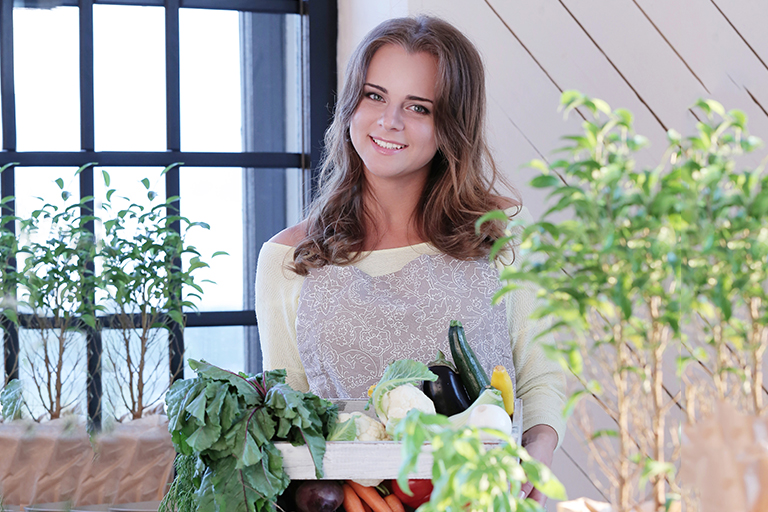
Where there’s a will, there’s a way — and that old line lands particularly well in modern Indian cities. With urban India steadily losing green cover to concrete and glass, more of us are working hard to carve out tiny patches of green inside our homes. Hyderabad, now a hustling IT capital, has rediscovered gardening as a calming weekend hobby — and the city’s apartment balconies have quietly become its newest canvas.
The best part of the kitchen garden trend is that you can grow herbs, vegetables, fruits or flowers right on your balcony, terrace or rooftop — no plot of land required. Whether you’re settling into a 2 BHK or a 4 BHK in Hyderabad’s HITEC City, here are five practical steps to turn an underused balcony into a working kitchen garden.
How to Make a Trendy Balcony Kitchen Garden
1. Find the Right Spot
Start by choosing the best spot in or near your kitchen for the garden. This matters for two reasons. First, the location dictates how much sunlight your plants get — and most edible plants need at least four to six hours of sun a day to thrive. Second, the spot needs to look at home with the rest of your space, so the garden becomes part of the room rather than a stranded planter you eventually neglect.
2. Evaluate the Sunlight
Before you buy a single pot or seed, track how many hours of direct sunlight your balcony actually gets each day. Take note of indirect light too — if there are no trees or walls blocking the sky overhead, even a north-facing balcony can support a healthy mix of plants. South and west-facing balconies usually get the most sun and suit a wider range of edibles.
3. Design the Layout
Think about how you arrange your plants — many flats in Hyderabad come with generously sized balconies that you can use efficiently. The trick to a good yield from a small space is smart spacing: planting in rows or square patterns is the classic approach, but a triangular pattern lets you tuck in roughly 15% more plants in the same area. Avoid the temptation to crowd everything together — overcrowded beds compete for nutrients and grow poorly.
4. Choose Plants and Pots
You’ll need containers to grow in. Earthen pots from a local nursery work beautifully and breathe well. For something more distinctive, repurpose old plastic bottles, tin jars or wooden crates — drill drainage holes at the bottom and you have one-of-a-kind planters that double as decor. Fabric grow bags and railing planters are another lightweight option for compact balconies.
Pick your plants carefully too. Start with quick-growing, low-maintenance edibles you already cook with — coriander, fenugreek (methi), green gram, chilli, capsicum, spinach (palak), curry leaves and mint are all near-foolproof. Once you’ve gained confidence and learnt your balcony’s rhythm, you can graduate to tomatoes, brinjals and even small fruit varieties.
5. Pick the Right Soil
The soil supplies nearly all the nutrients your plants will use, so the quality of what you plant in matters enormously. Get soil from a reliable nursery near your home and ask specifically for a potting mix suited to vegetable or herb cultivation. If you have high-quality garden soil already, mix it with compost and cocopeat for better drainage and nutrient retention. Skip ordinary construction soil — it compacts hard and starves the roots.
The real reward of a balcony kitchen garden is the daily luxury of stepping into a small patch of green whenever you want. Beyond the obvious health and environmental benefits, a well-planted balcony is genuinely beautiful and can lower indoor temperatures by 6–8 degrees on hot days through transpiration and shading. If you’re hunting for residential projects in Hyderabad with balconies that take well to a kitchen garden, our portfolio is built around generous outdoor spaces.
Official Resources & References
- RERA Telangana — Project registration verification
- HMDA Telangana — Layout approvals & master plan
Data verified by the Auro Realty Team as of March 2026.
Frequently Asked Questions
What are the best plants for a balcony kitchen garden?
The best plants for a balcony kitchen garden include herbs like basil, mint, and coriander, vegetables like tomatoes, chillies, and spinach, and greens like lettuce and methi. Choose plants based on your balcony sunlight exposure and available space.
How much sunlight does a balcony garden need?
Most vegetable and herb plants need at least 4-6 hours of direct sunlight daily. If your balcony gets limited sun, opt for shade-tolerant plants like mint, lettuce, and spinach. Use reflective surfaces to maximize light availability.
What containers work best for balcony gardening?
Lightweight containers with good drainage work best. Options include fabric grow bags, plastic pots, railing planters, and vertical garden setups. Ensure containers are appropriately sized for the plant and have drainage holes to prevent root rot.