Your home’s interior design choices — from flooring and kitchen materials to smart tech — directly impact your home insurance premiums. High-risk finishes can increase costs, while safety-oriented, smart upgrades can lower them. Learn how to design beautifully without overpaying for insurance, plus expert tips to balance aesthetics and safety for long-term savings.
Most homeowners obsess over color palettes and furniture — but overlook one critical thing: how interiors influence home insurance.
Yes, your flooring, materials, and even smart home systems can decide whether your insurance premium rises or drops. From fire-resistant finishes to IoT devices that prevent leaks or theft, design choices now affect coverage eligibility and cost.
Let’s explore how to design your dream home without risking higher premiums — and how smart planning can help you save on both design and insurance.
Does Home Insurance Cover Interiors in India?
Home insurance doesn’t just cover walls and roofs. It also protects what’s inside your home — often up to 70% of your policy value.
What’s Covered
- Furniture, fixtures, fittings, décor elements.
- Modular kitchens, wardrobes, flooring, false ceilings.
- Electronics and appliances (depending on your policy).
What’s Not Covered
- Wear and tear or cosmetic upgrades.
- Poor-quality installations or unapproved custom work.
- Interiors not disclosed to the insurer.
Pro Tip: Always update your insurer if you invest in high-value interiors or smart systems — non-disclosure could void claims later.
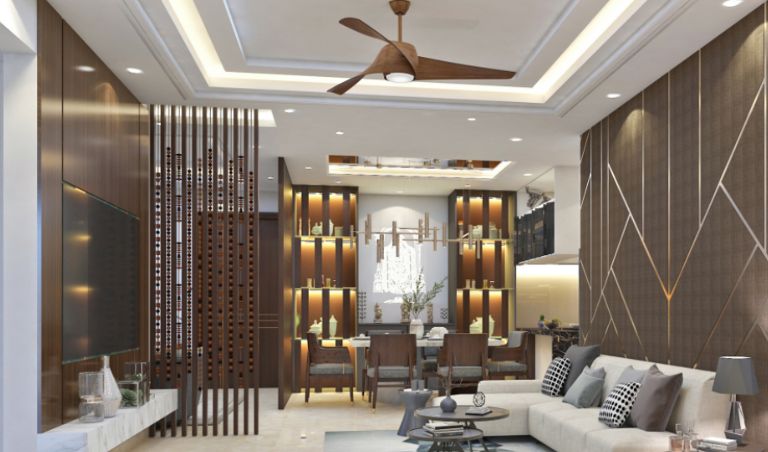
High-Risk vs. Low-Risk Interior Materials
Not all materials are created equal when it comes to insurance safety scoring.
High-Risk (Increases Premiums)
- Wooden flooring or panelling – fire risk.
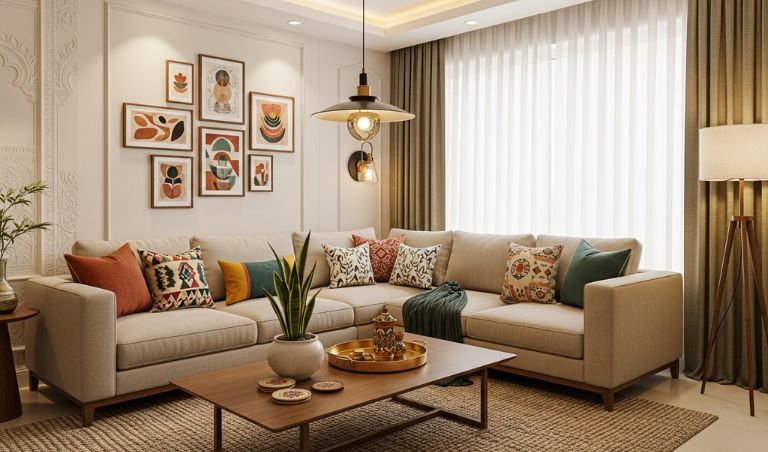
- Fabric-heavy wall décor – accelerates fire spread.
- Acrylic or laminate finishes – prone to heat damage.
Low-Risk (May Lower Premiums)
- Stone, vitrified tiles, or marble flooring – durable and fire-resistant.
- Gypsum or metal false ceilings – safer alternative to PVC.
- Modular kitchens with fire-resistant materials.
Design Tip: Mix high-end visuals with low-risk materials like stone laminates or ceramic finishes. Insurers notice the difference.
Smart Home Systems That Lower Insurance Premiums
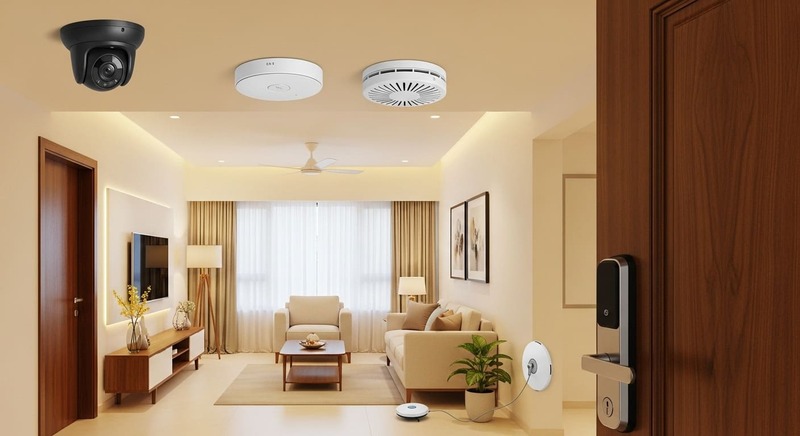
Smart tech isn’t just about convenience — it’s an insurance cost-saver.
Devices That Qualify for Discounts
- Smart smoke detectors & fire alarms – faster risk detection.
- Leak sensors & water shutoff systems – prevent flood damage.
- Security cameras & motion sensors – reduce theft risk.
- Smart locks – enhance property security.
Insurer Tip: Share installation proof (photos/invoices) to qualify for smart home insurance discounts.
Custom Work = Higher Value, Higher Premium
Luxury or designer interiors raise your property’s insurable value — and premiums.
Why Custom Interiors Cost More to Insure
- Bespoke materials (Italian marble, teak wood).
- Imported kitchen systems and designer fixtures.
- Custom furniture and lighting setups.
Example: A ₹30L modular kitchen could increase your sum insured by ₹10–15L.
Your insurer adjusts your coverage and premium accordingly.
Pro Tip: Maintain an updated asset inventory — including invoices and images — to streamline claims for designer interiors.
Tips to Balance Design & Coverage
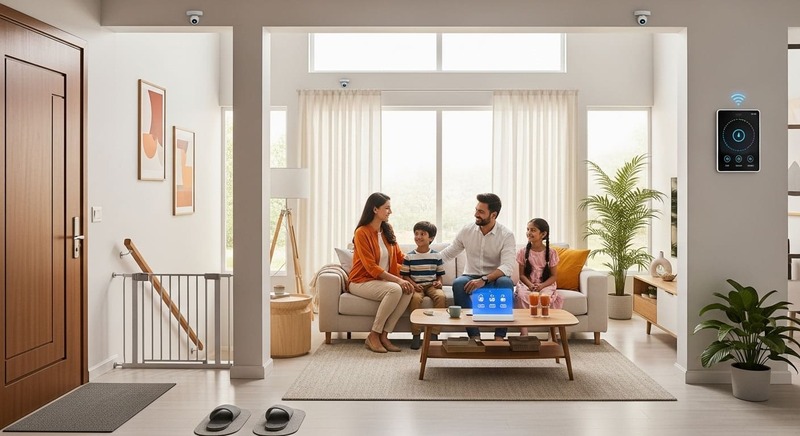
1. Use Fire-Resistant Materials
Opt for certified tiles, gypsum boards, and fire-retardant paints.
2. Install Smart Sensors
Integrate IoT devices to monitor fire, gas leaks, and theft.
3. Document Every Major Upgrade
Keep a digital record of all interior expenses for easy policy updates.
4. Review Coverage Annually
Update your policy after significant renovations or tech upgrades.
5. Combine Insurance with Home Loan or Builder Plans
If you’re buying from a reputed developer like Auro Realty, explore builder-linked home protection plans to reduce costs.
How to Reduce Your Home Insurance Premium
- Choose safer, eco-friendly materials.
- Bundle insurance (home + contents) for discounts.
- Install certified security & safety systems.
- Raise your deductible to lower annual costs.
- Compare insurer offers before renewal.
Data: Homeowners in Telangana and Hyderabad who switched to modular, safety-rated interiors saved 8–12% on annual premiums.
Real Estate & Interior Value Connection
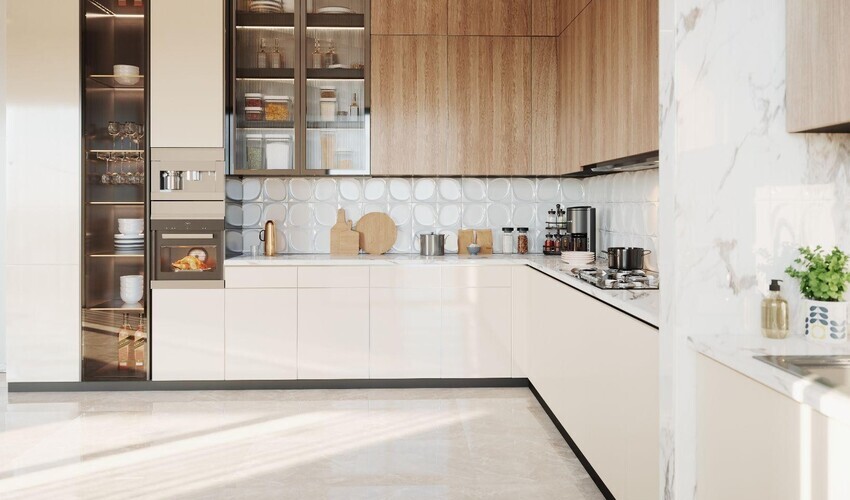
Interior investments increase your property’s market value — and influence insurance and resale ROI.
How Real Estate Developers Are Adapting
Builders like Auro Realty now integrate:
- Fire-safe materials and energy-efficient lighting.
- Pre-fitted smart home infrastructure.
- Modular interiors with lower risk factors.
Design Smart, Live Secure
Your interiors don’t just define style — they shape safety, value, and insurance costs.
When planned thoughtfully, design can help you save thousands annually on insurance premiums.
Choose certified materials, integrate smart tech, and buy from builders who prioritize safe, insured-ready homes — like Auro Realty.
Talk to our advisors today to learn how Auro Realty’s smart homes keep your investment protected and future-proof.
Frequently Asked Questions
How do interior design choices affect home insurance costs?
Certain interior choices like fire-resistant materials, smoke detectors, security systems, and water leak sensors can lower insurance premiums, while high-value fixtures, wood paneling near heat sources, and poor electrical work can increase risk and costs.
What interior upgrades can help reduce home insurance premiums?
Installing fire alarms, CCTV cameras, burglar-proof doors and windows, water-resistant flooring in bathrooms, and using fire-retardant furnishing materials are upgrades that many insurance companies recognize for premium discounts.
Should homeowners inform their insurance company about interior renovations?
Yes, significant renovations should be reported to your insurer as they can change your property’s value and risk profile. Upgrades like modular kitchens, expensive flooring, or built-in wardrobes should be included in your policy’s sum insured.