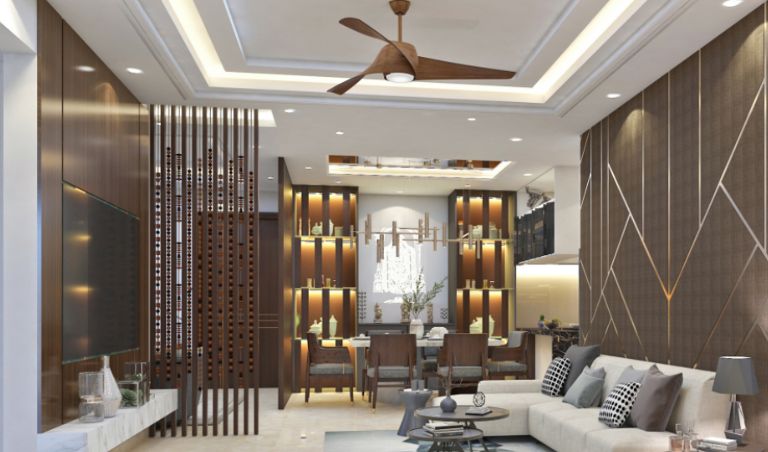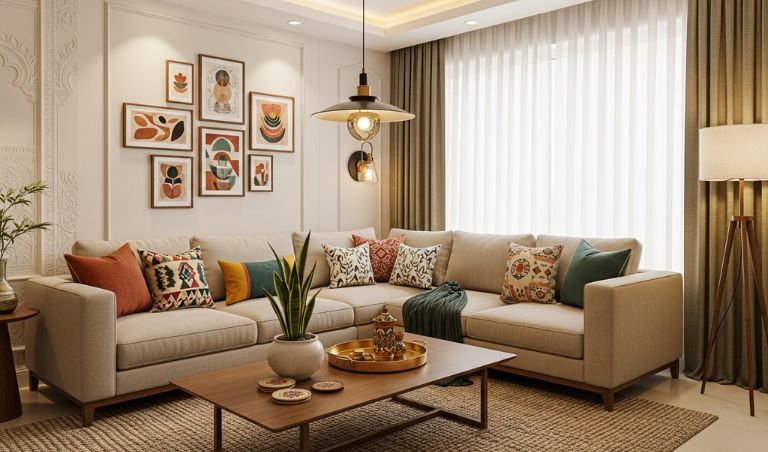
After buying a home, budget around 10 % of its cost for interiors—this covers furniture, lighting, wardrobes, and modular kitchens. Plan your home interior budget after buying smartly, and explore financing options like personal loans or home loan top‑ups to manage post‑possession home expenses.
Congratulations on your new home! But don’t let the renovation blindside you: many buyers forget to account for interior design costs after possession. Understanding the 10% rule for home interiors ensures your dream space doesn’t derail your budget.
What Is the 10% Rule for Home Interiors?
The 10% rule for home interiors says you should allocate approximately 10% of your home’s purchase price toward interior design and decor. Experts actually recommend a range of 10–15%, while premium homes may see 20–30% allocation, especially for high-end finishes or villas.
This percentage-based approach helps you prepare early and avoid financial stress post-possession.
Where Does That Interior Budget Go?

Breakdown of Interior Design Cost Planning
| Category | Typical Share of Interior Budget |
| Furniture & Decor | 25–35% |
| Modular Kitchen | 20–30% |
| Wardrobes & Storage | 15–25% |
| Lighting & Fixtures | 10–15% |
| Soft Furnishings (curtains, rugs, etc.) | 10–15% |
| Design Consultancy Fees | 5–20% depending on scope |
According to design professionals, interior designer fees usually amount to 10–15% of total project cost, or ₹50,000 to ₹500,000 flat fees, based on size and customization.
Examples:
- A 2BHK might cost ₹3–7 L interior setup.
- A 3BHK premium finish could reach ₹7–15 L.
How Can You Finance Home Interiors in India?

Financing Options for Interiors
- Personal Loans – quick, unsecured, suitable for budget-friendly interiors.
- Home Loan Top‑Up Loans – added to your existing loan, often lower interest rates than personal loans and fewer docs.
- Home Improvement Loans – secured against property, longer tenure, tax benefits possible.
- Loan Against Property (LAP) – borrow against home equity, lower interest rates.
- DIY savings & credit cards – for small purchases; beware high interest.
What Expert Tips Can Help You Budget Smart Without Overspending?

- Plan Before Possession: Budget ahead using the 10% rule to avoid overshoot.
- Set Priorities: Split between essentials (modular kitchen, storage) and aesthetics (decor, lights).
- Use Modular Solutions: Pre-engineered fittings save both cost and time.
- Buy in Phases: Start with essentials; upgrade later.
- Leverage Sales & Local Sourcing: Festive offers and local craftsmen can help trim costs.
- Track Expenses Closely: Use a spreadsheet or budget app.
- Negotiate Fees: Designers on flat fees or per sq ft often offer better value.
Frequently Asked Questions
How much should you budget for interiors after buying a new home?
Industry experts recommend budgeting 8-12% of your property cost for interiors. For a Rs 1 crore home, that translates to Rs 8-12 lakh for quality finishes including modular kitchen, wardrobes, lighting, and furnishing.
What are the essential interior expenses new homebuyers should plan for?
Essential expenses include modular kitchen installation, bedroom wardrobes, bathroom fittings, living room furniture, curtains and blinds, lighting fixtures, painting, and electrical points for appliances and entertainment systems.
Can you get a home loan to cover interior costs?
Some banks offer top-up loans or personal loans for interior work. A few lenders include interior costs within the home loan itself if the purchase is from a builder who provides semi-furnished or furnished options.