Last Updated: March 16, 2026
At a Glance — What This Guide Covers
- Understanding the Basics of Color Psychology
- How to Use Neutral Colors Effectively
- Cultural Considerations in Color Psychology for Hyderabad Homes
- Embracing Color Psychology for a Harmonious Home
7 min read · Updated March 2026 · By Auro Realty Team
Color plays a crucial role in interior design, influencing not only the aesthetics of a home but also the mood, emotions, and overall well-being of its occupants. Color psychology design involves understanding how colors impact human behavior and using this knowledge to create a harmonious living space. For homeowners and prospective buyers looking at properties in Hyderabad, considering color psychology can make a significant difference in creating a comfortable and welcoming atmosphere.
Understanding the Basics of Color Psychology

Primary colors—red, blue, and yellow—serve as the building blocks of all other colors and have distinct psychological impacts:
Red: Evokes energy, passion, and warmth. In color psychology, red can stimulate appetite and conversation, making it suitable for dining rooms or social spaces.
Blue: Associated with calmness, trust, and stability. It works well in bedrooms and home offices where a sense of tranquility and focus is needed.
Yellow: Symbolizes happiness, optimism, and creativity. Yellow accents can brighten spaces and make them feel more inviting.
Secondary Colors and Their Impact on Mood
Secondary colors—orange, green, and purple—are derived by mixing primary colors and carry their own unique effects:
- Orange: Energizing and vibrant, often used to add warmth to living rooms and kitchens.
- Green: Represents balance and harmony, suitable for almost any room due to its calming effect.
- Purple: Conveys luxury and creativity, often used as an accent color in bedrooms or living rooms
Warm vs. Cool Colors in Home Design
Warm colors (reds, oranges, yellows) are inviting and stimulating, often used to create cozy and social environments. Cool colors (blues, greens, purples) are calming and soothing, promoting relaxation and focus. Knowing when and how to use warm versus cool colors can make a big difference in achieving the desired ambiance in your home.
The Concept of Color Temperature
Color temperature refers to the warmth or coolness of a hue. Warm colors tend to make spaces feel cozier and more intimate, while cool colors can make rooms feel more spacious and serene. When choosing properties in Hyderabad, understanding the effect of color temperature can help you visualize the right atmosphere for each room.
Choosing Colors for Different Rooms

Living Room: Creating a Welcoming and Social Atmosphere
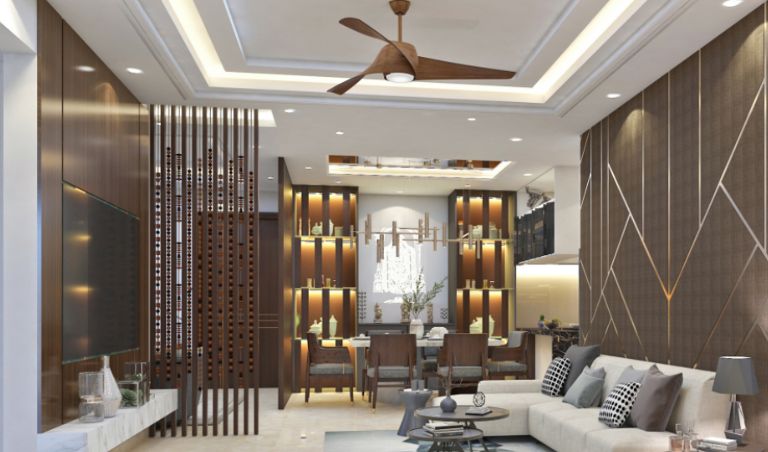
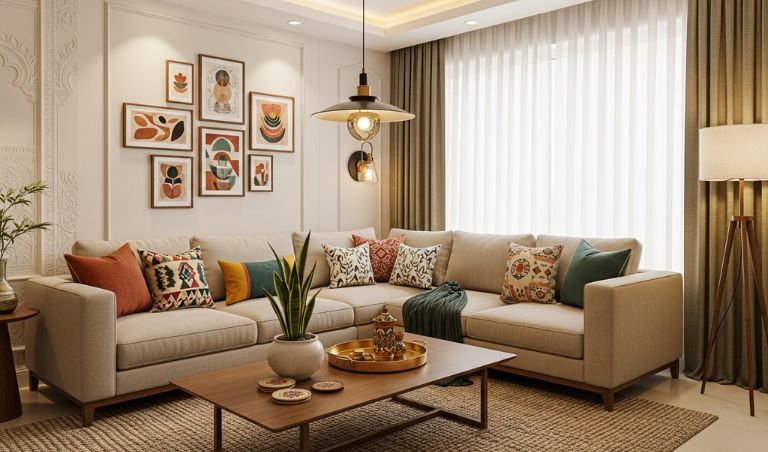
For living rooms, consider warm tones like soft yellows or earthy oranges to encourage interaction and warmth. Alternatively, using neutral shades with vibrant accents can make a striking statement without overwhelming the space.
Bedroom: Promoting Relaxation and Restfulness
Calm colors such as soft blues, greens, and lavenders are ideal for creating a restful environment. Color theory psychology suggests that these hues help reduce stress and promote better sleep.
Kitchen: Stimulating Appetite and Energy
Bright colors like red, yellow, and orange can stimulate appetite and energy, making them great for kitchens. For a more contemporary touch, combining bright colors with neutral tones can create a balanced, modern look.
Home Office: Enhancing Focus and Productivity
Blue tones are known to enhance concentration and productivity, making them perfect for a home office. If you prefer something warmer, shades of green can also create a balanced work environment.
Bathroom: Achieving a Clean and Refreshing Feel
Opt for cool colors such as light blues, whites, or soft grays to create a clean and refreshing atmosphere. These colors help enhance the feeling of cleanliness and spaciousness.
How to Use Neutral Colors Effectively

Neutral colors like white, gray, beige, and cream offer a versatile base for any room:
- Creating a Sophisticated Base: Neutrals act as a backdrop, allowing accent colors and decor to stand out.
- Making Spaces Appear Larger: Light neutrals, particularly white and cream, can make small spaces feel more expansive and open.
- Combining with Accents: Use neutral walls with bold-colored furniture or accessories for a balanced yet eye-catching look.
Bold Colors and Accent Walls: When and How to Use Them
- The Impact of Bold Colors on Room Ambiance: Bold colors can make a powerful statement and bring energy to a room. However, they should be used thoughtfully to avoid overwhelming the space.
- Choosing the Right Wall for an Accent Color: Accent walls work best when they highlight a room’s focal point, such as a fireplace, artwork, or a unique architectural feature.
- Balancing Bold Colors with Neutral Tones: Pairing bold colors with neutral tones ensures balance and prevents the room from feeling chaotic or cluttered.
- Creating Focal Points: Use bold colors on specific walls or areas to draw attention and create visual interest.
Creating Harmonious Color Schemes

Understanding Color Wheel Basics
The color wheel is a fundamental tool for creating harmonious color schemes, including:
- Monochromatic Schemes: Variations of a single color for a cohesive look.
- Analogous Schemes: Colors next to each other on the wheel for a serene and comfortable feel.
- Complementary Schemes: Opposite colors for high contrast and energy.
The 60-30-10 Rule
To create balance, use 60% of a dominant color, 30% of a secondary color, and 10% of an accent color.
Adapting Color Schemes to Different Home Styles
Whether you have a traditional or contemporary home, color schemes can be tailored to suit your specific style and architecture.
Cultural Considerations in Color Psychology for Hyderabad Homes

Traditional Color Preferences
Indian culture often incorporates bright, auspicious colors such as red, yellow, and green in traditional home interiors.
Balancing Modern Trends with Tradition
Combining modern design trends with culturally significant colors can create a unique and personalized aesthetic.
Colors to Avoid
Be mindful of cultural implications and traditional beliefs associated with certain colors.
Practical Tips for Applying Color Psychology in Your Home
- Test Colors Before Committing: Use swatches to see how colors look in your space.
- Consider Lighting: Both natural and artificial light can affect how colors appear.
- Address Room Challenges: Use light colors for small spaces and bold colors to draw attention to features.
- Incorporate Colors through Accessories: Furniture, textiles, and decor items are great for adding color without overwhelming a room.
Embracing Color Psychology for a Harmonious Home
Choosing the right colors for your home is about more than aesthetics—it shapes mood, behavior, and overall harmony. By understanding and applying color psychology, you can design a space that not only reflects your style but also enhances your well-being. For those exploring properties in Hyderabad, Auro Realty, one of the top builders in Hyderabad, offers unmatched expertise and innovation. Known for their commitment to quality, Auro Realty provides thoughtfully designed homes that seamlessly blend elegance and functionality, creating the ideal foundation for crafting a living space that perfectly complements your lifestyle and vision.
What should first-time home buyers check before purchasing property in Hyderabad?
Key checks include: RERA registration verification, HMDA/DTCP approval status, clear title deed, encumbrance certificate (EC) for 30 years, builder track record, construction quality, water and electricity provisions, and bank loan eligibility. Visit the property site and neighboring areas before making a decision.
What are common mistakes to avoid when buying property in Hyderabad?
Avoid buying unapproved layouts, skipping RERA verification, ignoring encumbrance certificates, not checking builder reputation, overlooking hidden charges like maintenance deposits and GST, and rushing into bookings without proper legal due diligence. Always engage an independent property lawyer.
What makes Hyderabad one of the best cities for real estate investment in 2026?
Hyderabad stands out for its affordable property prices compared to Mumbai, Bangalore, and Delhi NCR, combined with a thriving IT sector, excellent infrastructure, proactive government policies, and high quality of life. The city consistently ranks among the top destinations for both residential and commercial real estate investment in India.
How do I check the credibility of a real estate builder in Hyderabad?
Verify the builder on the RERA Telangana portal, check their project delivery track record, visit completed projects, read customer reviews, verify HMDA approvals, and check for any legal disputes. Reputed builders will have transparent documentation, on-time delivery history, and clear title deeds for their projects.
What are the tax benefits of buying property in India?
Home buyers can claim tax deductions under Section 80C (up to Rs 1.5 lakh on principal repayment), Section 24(b) (up to Rs 2 lakh on interest for self-occupied property), and Section 80EEA for first-time buyers. Joint home loans allow both co-borrowers to claim deductions separately. Consult a CA for your specific situation.
Official Resources & References: For verified information, visit RERA Telangana, HMDA.

Published by the research and content team at Auro Realty Private Limited, one of Hyderabad's fastest-growing real estate developers. With 8+ years in the industry, 900+ team members, and over 25 million sq. ft. under development across premium residential and commercial projects, our team delivers data-driven market analysis backed by on-ground expertise in Hyderabad's real estate landscape. All projects are developed in a RERA-regulated environment.