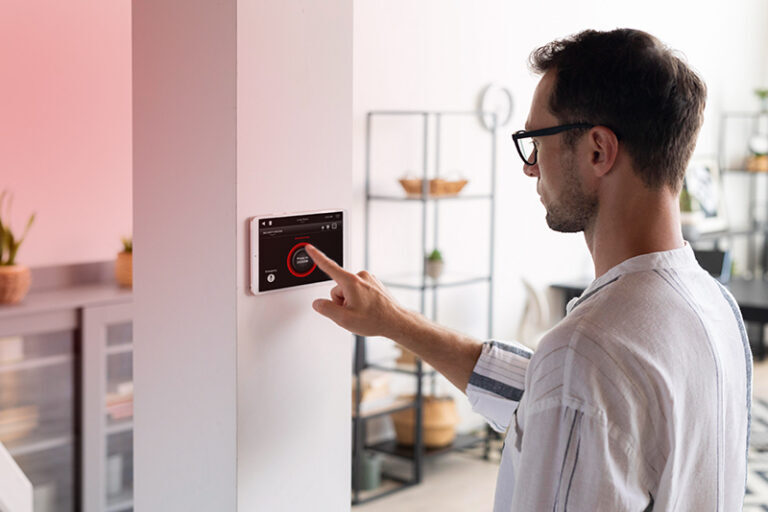
Modern Indian homes are quietly turning into tech ecosystems. Smart locks, voice assistants, energy monitors, and connected appliances have moved from premium add-ons to standard inclusions in even mid-segment apartments. The shift is being driven by falling hardware costs, faster home internet, and a generation of homeowners who grew up expecting their devices to talk to each other.
Not every smart-home gadget is worth the money. Some genuinely improve daily life and save energy, others are gimmicks that gather dust after the novelty wears off. Here is the technology actually worth installing in a modern Indian home, and why it matters.
Smart lighting and voice control
Smart lighting is usually the first upgrade homeowners make, and for good reason. Wi-Fi or Zigbee bulbs let you control brightness, colour temperature, and scenes from your phone or by voice. Schedules, motion-triggered lighting, and away-from-home routines also make the home feel more secure and more efficient. The best systems work with both Alexa and Google Assistant, so you are not locked into one ecosystem.
The energy saving from smart bulbs and switches adds up over time. Lights that switch off automatically when a room is empty, dimming during peak daylight hours, and away-mode scheduling can cut lighting electricity use by 30 to 40 percent in a typical home. The investment pays back within a couple of years for most homeowners.
Smart security: cameras, locks, and doorbells
Home security has been completely rewritten by connected cameras, smart door locks, and video doorbells. Modern Wi-Fi cameras with night vision, motion detection, and cloud or local storage cost a fraction of what they did five years ago. Smart locks let you grant temporary access to staff, guests, or delivery agents without handing over physical keys, and they integrate with security systems and voice assistants.
Video doorbells are particularly useful in Indian apartment complexes, where you can see and speak to anyone at your door from anywhere in the world. For independent homes and villas, perimeter cameras with AI-based motion classification can distinguish between humans, vehicles, and pets, cutting down on false alerts that plague older systems.
Smart climate control and energy management
Air conditioning is the single biggest electricity expense for most Indian homes during summer. Smart AC controllers, smart thermostats for split or central systems, and learning algorithms that adjust based on occupancy and outdoor temperature can cut cooling bills by 15 to 25 percent. Many newer ACs come with built-in Wi-Fi and app control, but retrofit IR controllers also work well for older units.
Energy monitoring devices that clamp onto your main electrical panel give you real-time visibility into where power is going. Once you can see that the geyser is consuming far more than expected or that a particular plug load is running 24/7, you can take targeted action. Combined with a solar rooftop system and battery storage, an energy-monitored home can offset a significant chunk of its grid dependence.
Connected kitchen and home appliances
Smart appliances have become genuinely useful, not just novel. Refrigerators that track inventory, ovens that preheat from your phone, washing machines that send a notification when the cycle ends, and robot vacuums that clean while you are out have all moved past the gimmick stage. The real value comes from convenience and from longer appliance life through diagnostic alerts and firmware updates.
Voice assistants tie the whole kitchen and household together. Setting timers, adding items to a shopping list, playing music, and controlling other smart devices all happen hands-free, which matters more in a kitchen or while moving around the house than people initially expect.
Whole-home Wi-Fi and connectivity backbone
Every smart device in the home depends on stable, fast, full-coverage Wi-Fi. A single router placed in a corner of the apartment is the most common reason smart-home setups disappoint. Mesh Wi-Fi systems, with two or three nodes spread across the home, eliminate dead zones and handle the 30 to 50 connected devices a typical modern home now runs without dropping connections.
For larger homes and villas, a wired backbone with Wi-Fi 6 access points still beats mesh on raw speed and capacity. Builders and developers are increasingly pre-wiring new apartments with structured cabling and access point provisions, which makes a real difference for homeowners moving in with smart-home plans. If you are buying a new home, it is worth asking what network infrastructure has been provided.
Water management and leak detection
Often overlooked, smart water tech can save homeowners from expensive damage and reduce wastage. Leak sensors placed near washing machines, water heaters, and under sinks alert you instantly if there is a leak. Smart irrigation controllers for balcony gardens or villa lawns adjust based on weather, cutting water use significantly. For independent homes, smart water tank monitors track usage and refill cycles in real time.
For a deeper look at how technology is shaping how new homes get built, see our coverage of construction technology trends and how smart design choices make homes more energy efficient.
What smart home technology is essential for modern homes?
Essential smart home technology includes smart lighting systems, automated climate control, voice-activated assistants, smart security cameras and door locks, energy monitoring systems, and automated window blinds. These technologies improve convenience, security, and energy efficiency while adding significant value to your property.
How much does it cost to make a home smart?
A basic smart home setup can start from INR 20,000-50,000 covering smart lights, a voice assistant, and a smart plug. A comprehensive setup with security cameras, automated locks, smart AC controllers, and full lighting automation can range from INR 1-3 lakhs depending on the brands and coverage area.
Do smart home features increase property value?
Yes, smart home features can increase property value by 3-5% and make a property more attractive to tech-savvy buyers. Homes with integrated smart security, energy-efficient automation, and voice-controlled systems sell faster and command premium pricing, especially in urban markets like Hyderabad.