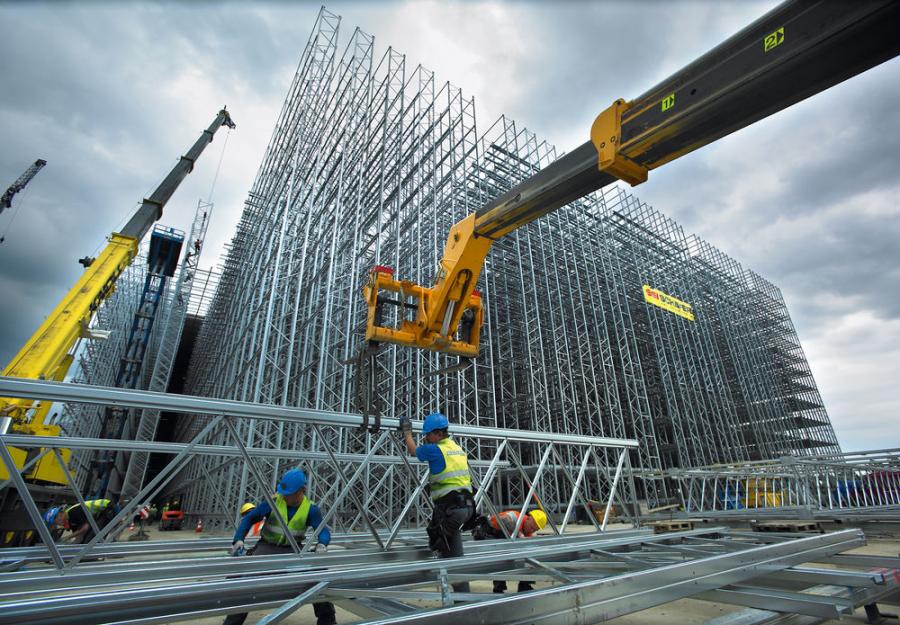
Construction in India has changed more in the last five years than it did in the previous fifty. Walk onto a modern Hyderabad worksite today and you will see drones mapping foundations, sensors tracking concrete cure rates, and tablets replacing the rolled paper drawings that used to define site offices. The push is being driven by tighter project deadlines, rising material costs, and buyer expectations that have moved well beyond what traditional methods can deliver.
For construction companies and real estate developers, keeping pace with these technological advancements is no longer optional. Buyers are asking sharper questions about build quality, project timelines, and structural safety, and the firms that can answer those questions with data are the ones winning trust. Here are the technologies reshaping how buildings get built.
Internet of Things and connected worksites
The internet has reshaped almost every industry, and construction is finally catching up. IoT sensors are now embedded into worksite equipment, scaffolding, and even concrete itself to capture real-time data on workflow, material usage, structural curing, and worker safety. Site managers can pull up a dashboard and know exactly which crew is behind schedule, which batch of cement is underperforming, and where energy is being wasted.
This data-first approach also feeds back into project planning. Patterns from one site inform decisions on the next, so wasted hours and material overrun get squeezed out of the budget over time. For larger commercial projects, where a single delay can cost lakhs per day, the savings add up quickly.
Artificial intelligence and predictive design
Artificial intelligence and machine learning have moved from research labs to active worksites. AI now helps with everything from analysing soil data before excavation begins to flagging structural risk points in a design before construction starts. The systems can categorise and cross-reference data at a speed no human team could match, which means problems get caught early instead of mid-build.
One of the most useful applications has been earthquake-resistant design. AI models can simulate seismic stress on a proposed structure, suggest reinforcements, and even predict failure points based on historical data from similar buildings. For a region like Hyderabad, where high-rise construction continues to grow, this kind of predictive modelling is becoming a baseline expectation rather than a premium add-on.
Virtual reality and 3D walkthroughs
VR and AR have stepped out of the gaming world and into construction site offices. 3D modelling and immersive walkthroughs let architects, developers, contractors, and even buyers experience a building before a single brick is laid. A client in another city can put on a headset and walk through their future apartment, point out what they want changed, and approve the layout, all without flying in for a site visit.
The benefit on the build side is just as significant. Errors that would normally show up during construction, like a poorly placed beam or a doorway that conflicts with plumbing, get spotted in the model and corrected before they cost time and money. Many real estate developers in Hyderabad have already integrated VR into their sales process and AR into their site review workflows, and the trend is only accelerating.
Drones, 3D printing, and modular construction
Drones are now standard equipment on most large worksites. They handle everything from initial site surveys to monthly progress audits, capturing high-resolution imagery and 3D scans that would have taken a survey team days to produce. The data feeds straight into project management software, giving developers a live view of how their project is progressing.
3D printing and modular construction are still earlier in their adoption curve in India, but they are gaining ground. Prefabricated wall panels, bathroom pods, and even full housing modules are being manufactured offsite in controlled conditions and assembled on location, cutting build times by weeks. For developers under pressure to deliver projects on schedule, the appeal is obvious.
Why this matters for homebuyers and investors
For anyone buying a home or investing in commercial space, these technologies translate into something concrete: better quality, fewer surprises, and faster handovers. A project built using sensor-based quality control and AI-flagged design checks is fundamentally less likely to develop structural issues five years down the line.
If you are evaluating a developer in Hyderabad, ask what technology they use during construction. The answers will tell you a lot about how seriously they take quality. For a deeper look at how Auro Realty approaches construction quality and project execution, see our work on innovation in commercial office spaces and our coverage of modern Hyderabad architecture.
The construction industry is moving fast, and the developers who lean into these tools are the ones who will be building the homes and offices of the next decade.
What are the latest construction technologies used in building?
Modern construction technologies include 3D printing for building components, Building Information Modelling (BIM) for design precision, precast concrete technology for faster construction, green building materials for sustainability, and advanced waterproofing systems that extend building lifespan.
How do technological advancements improve building quality?
Technology improves building quality through precision engineering, better material testing, earthquake-resistant design software, automated quality control systems, and advanced curing techniques. These innovations result in stronger structures, reduced construction time, and lower long-term maintenance costs.
Why should homebuyers care about construction technology?
Construction technology directly impacts your home’s durability, energy efficiency, and maintenance costs. Buildings constructed with modern techniques offer better structural integrity, improved insulation, lower utility bills, and longer lifespans, making them a smarter long-term investment.